May Intown Atlanta Market Report
By Bill Adams, President
On Mother’s Day afternoon, my wife and I walked the newly opened Southeast segment of the Atlanta BeltLine. This part of the BeltLine goes from Glenwood Avenue in Glenwood Park to Boulevard just south of Grant Park. The trail cuts through the Ormewood Park, Grant Park, and Boulevard Heights neighborhoods. Although there are some mixed-use developments abutting the right-of-way, the predominant land use is single-family residential. While these communities have already experienced significant price escalation, I expect proximity to the trail will add to the high demand for single-family homes. However, this month we are going to examine the neighborhoods to the north along the Northeast section of the BeltLine.
First, let’s look at the overall Intown Atlanta market.
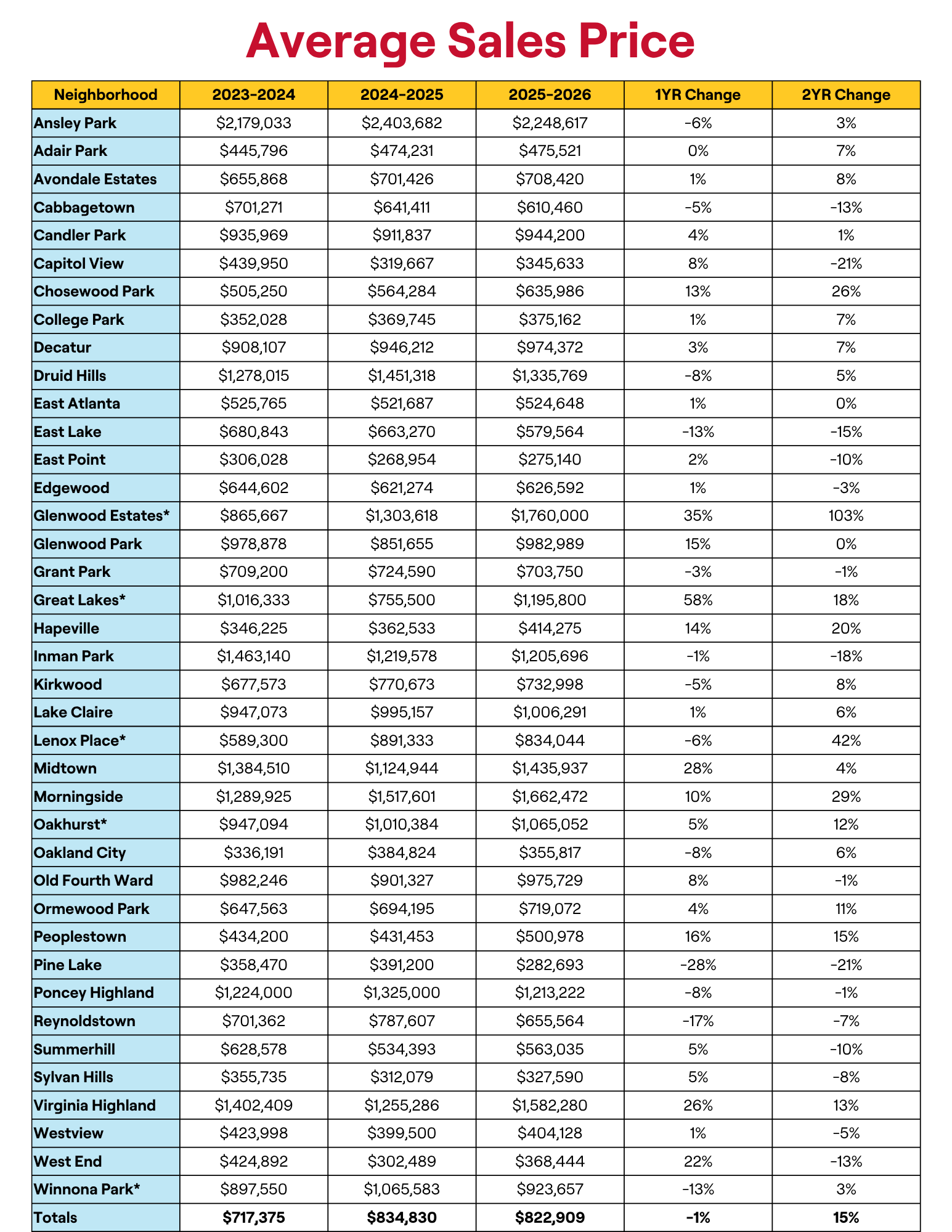
Average Sales Price (ASP) for May: $822,909 (This price represents a 1% decrease in the Average Sales Price over the last year—the first time in recent memory that the ASP for the market has been in negative territory.)
Market Impact: Thirteen of the 39 markets we track suffered a reduction in Average Sales Price and contributed to the overall market’s drop in price.
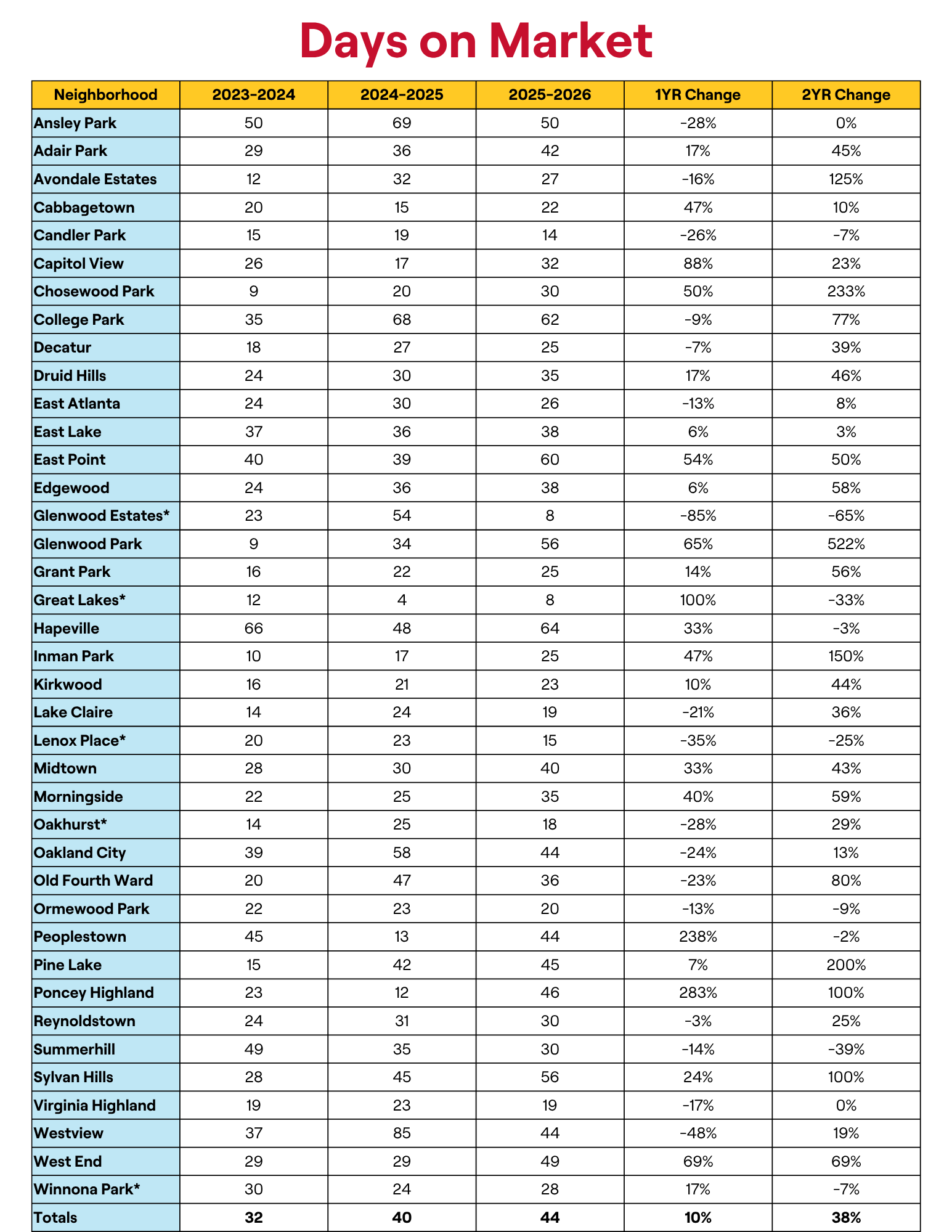
Average Days on the Market: 44 days over the last few months (represents a 10% year-over-year increase in time on the market).
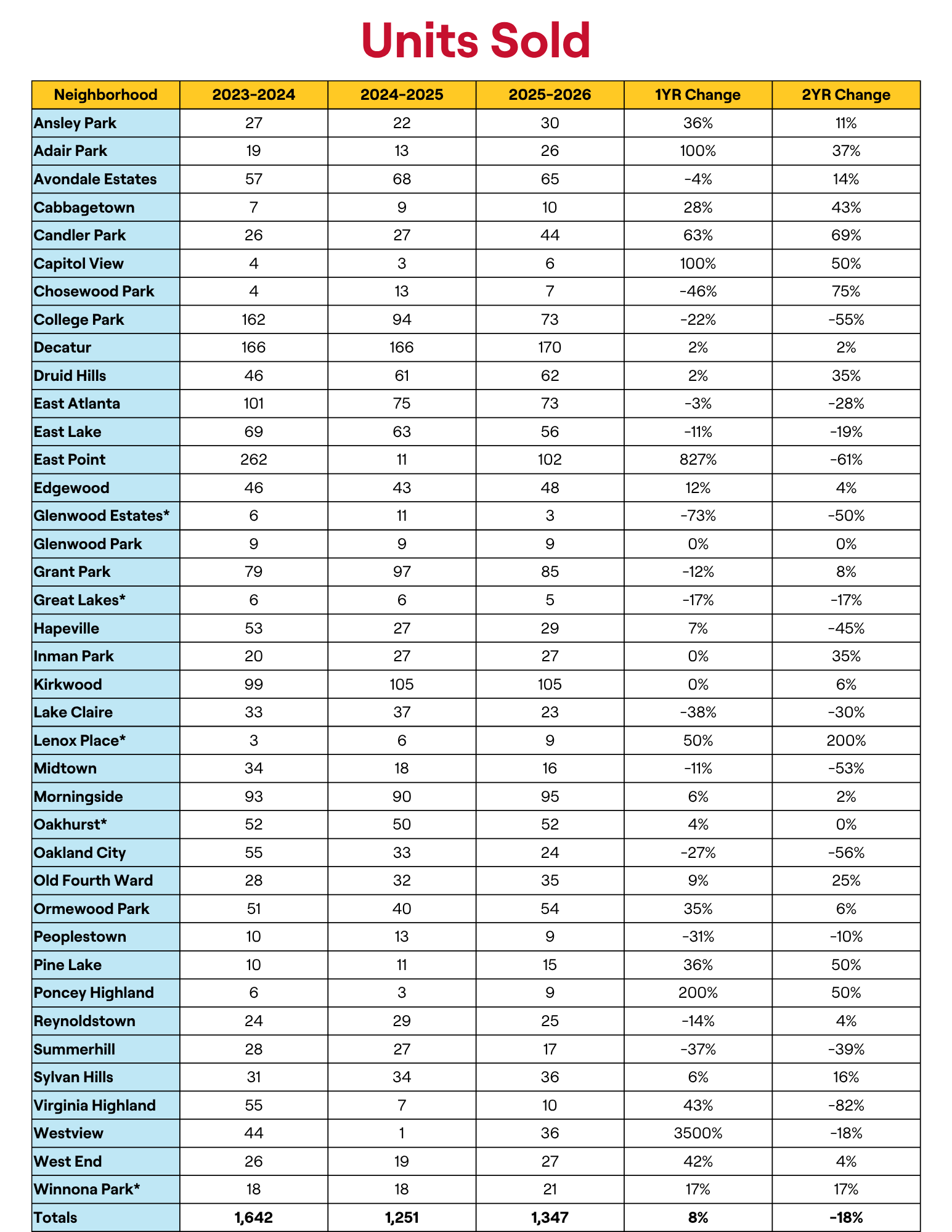
On a Positive Note: 1,347 homes sold over the last 12 months, an increase of 8%.
Ten years ago, except for Ansley Park at over $1 million, the Average Sales Price in the neighborhoods near the Northeast segment of the BeltLine was around $500,000. Today, except for the Old Fourth Ward community at $975,729, all the neighborhoods average over $1 million for a home.
According to Atlanta BeltLine, Inc., the $1 billion invested in the BeltLine infrastructure generated $14.2 billion in private investment resulting in “$23 billion in annual economic output”. The BeltLine Planning Area has added 26,000 new residents.
Because many of these neighborhoods were experiencing gentrification well before the BeltLine, it is difficult to quantify the effect that the trail has had on the Average Sales Price for single-family homes in the adjacent communities. My best guess is that proximity to the Atlanta BeltLine has added 20% to the value of homes in these neighborhoods. Here is the list of the Northeast BeltLine neighborhoods and the current Average Sales Price in each community.
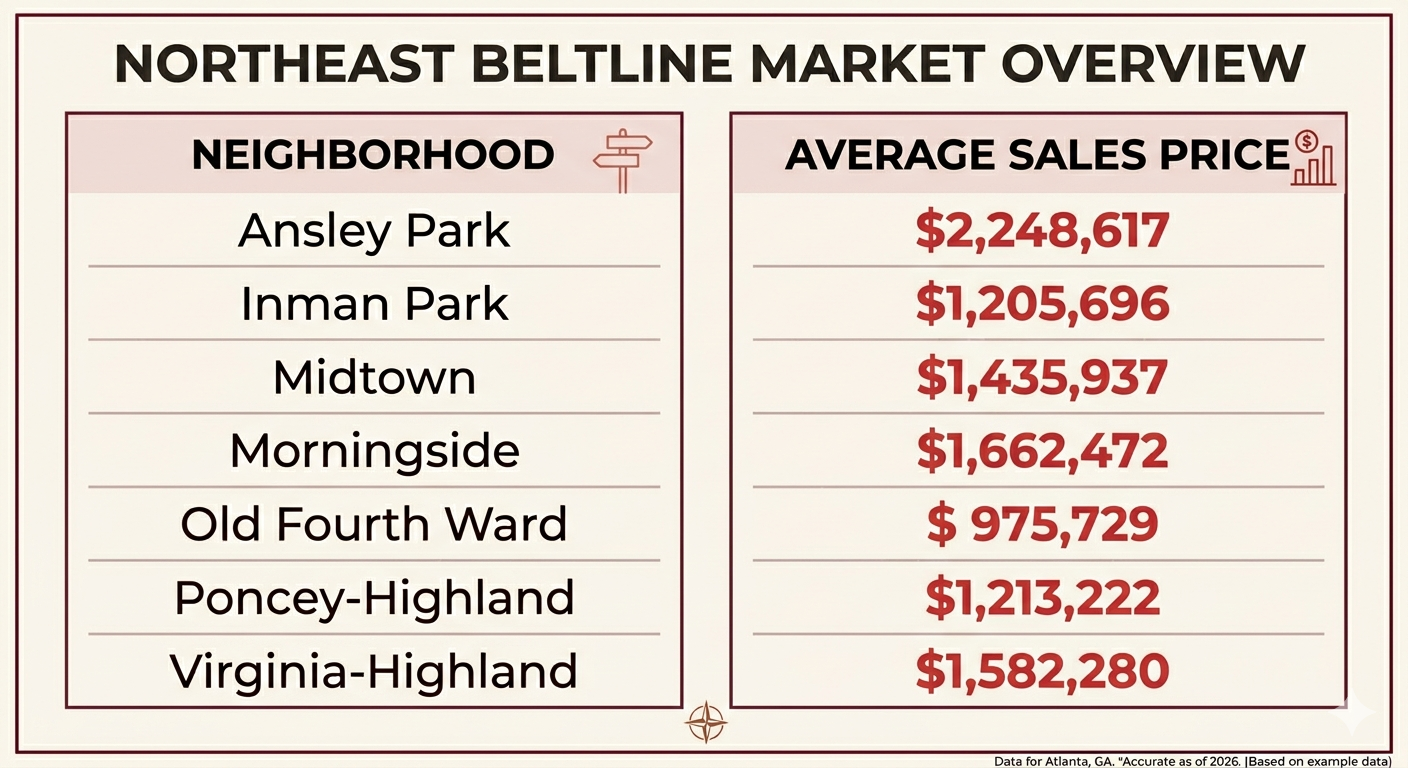
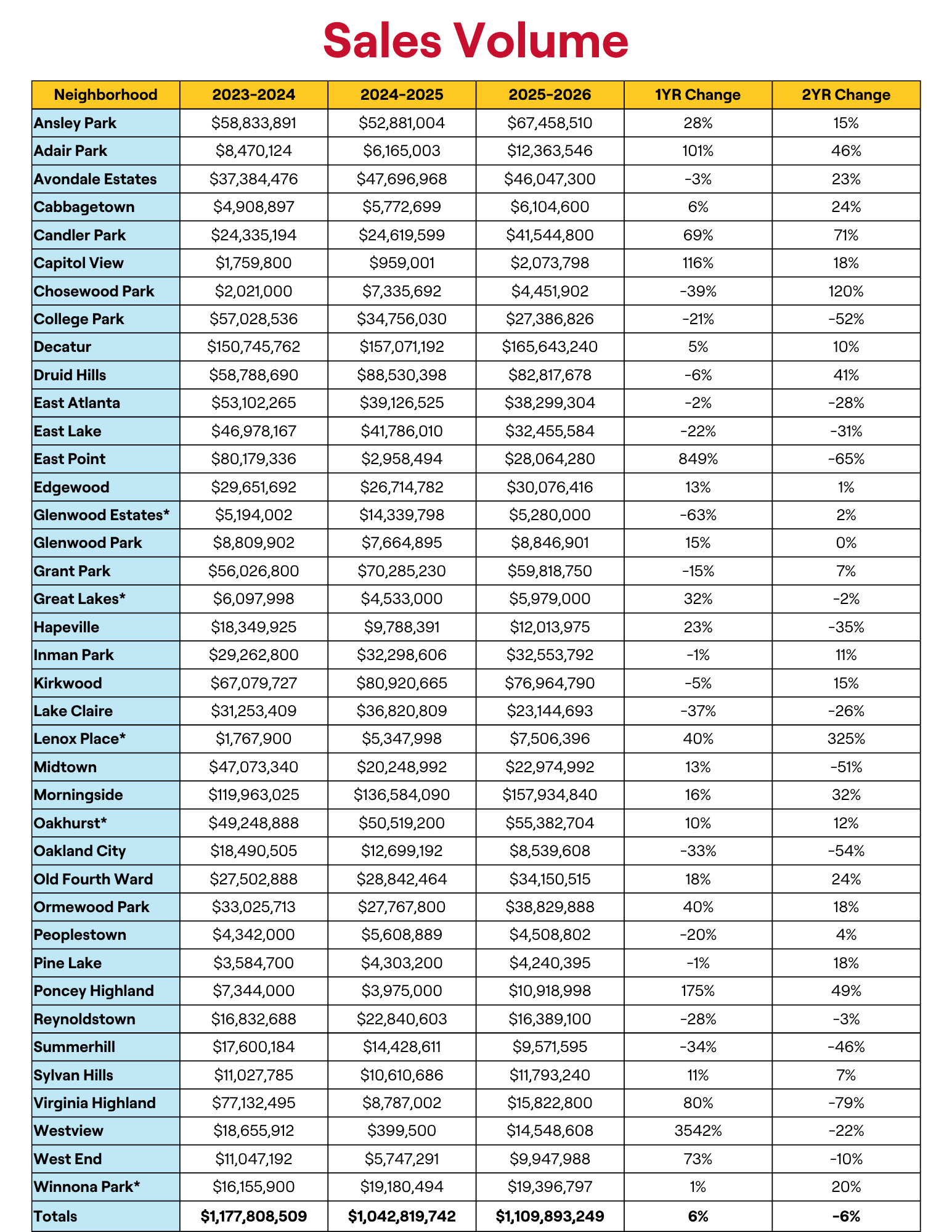
The Intown Atlanta market is showing early signs of a shift, with the Average Sales Price dipping 1% year-over-year — the first decline in recent memory — even as sales volume continues to grow. The Northeast BeltLine neighborhoods tell a compelling long-term story: a decade of extraordinary appreciation has pushed nearly every community well past the $1 million threshold, and the trail's influence on demand shows no signs of fading. Next month, we will turn our attention to the neighborhoods along the Southwest BeltLine segment, where a new chapter of investment and transformation may be just beginning.