Buying a Home with Adams
We are your partners through the entire buying process – after all, this is the most important purchase you’ll ever make.
Our team has the experience, knowledge and technology to help you find what you’re looking for. Browse our featured listings, or search the city far and wide! We’re here to help.

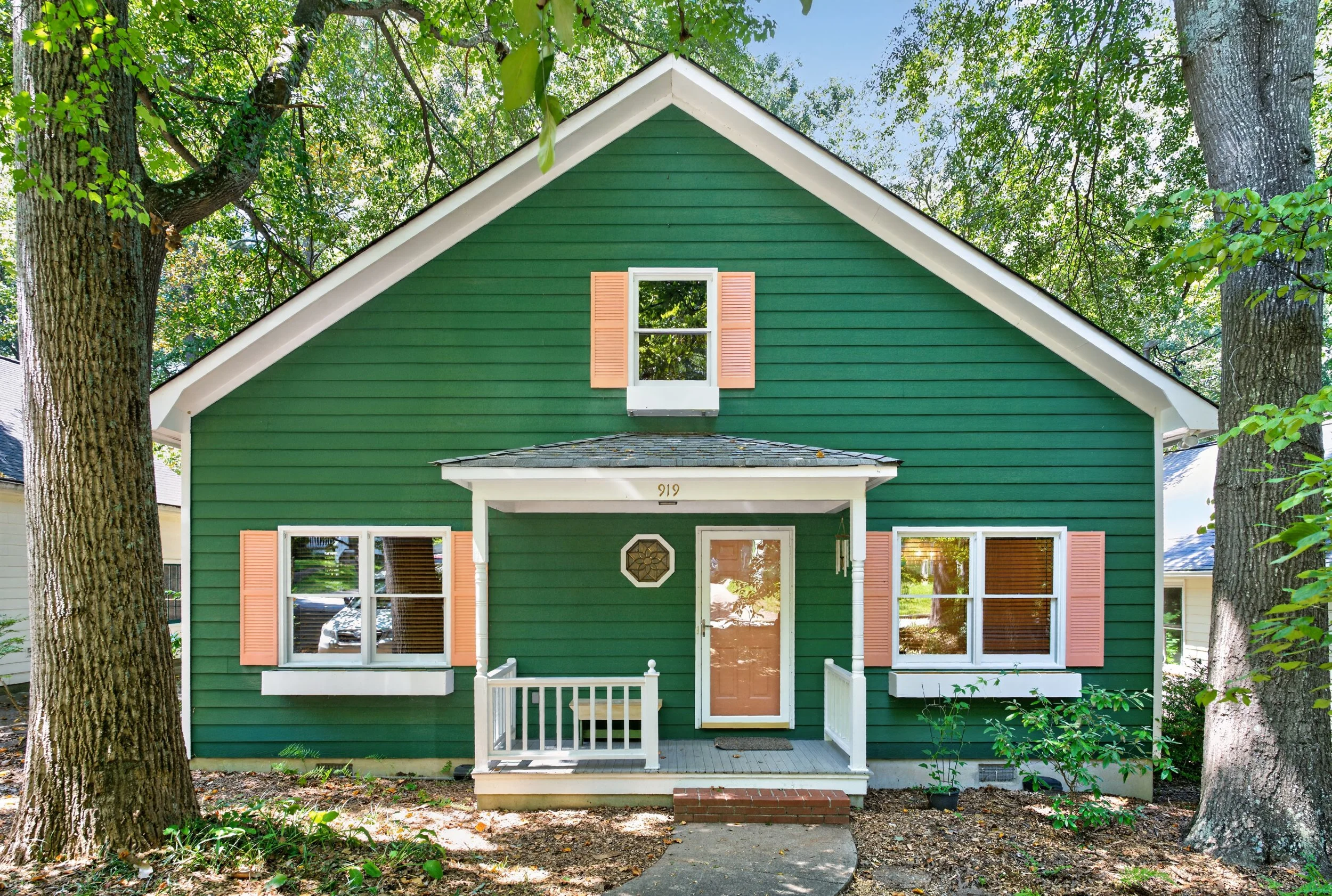

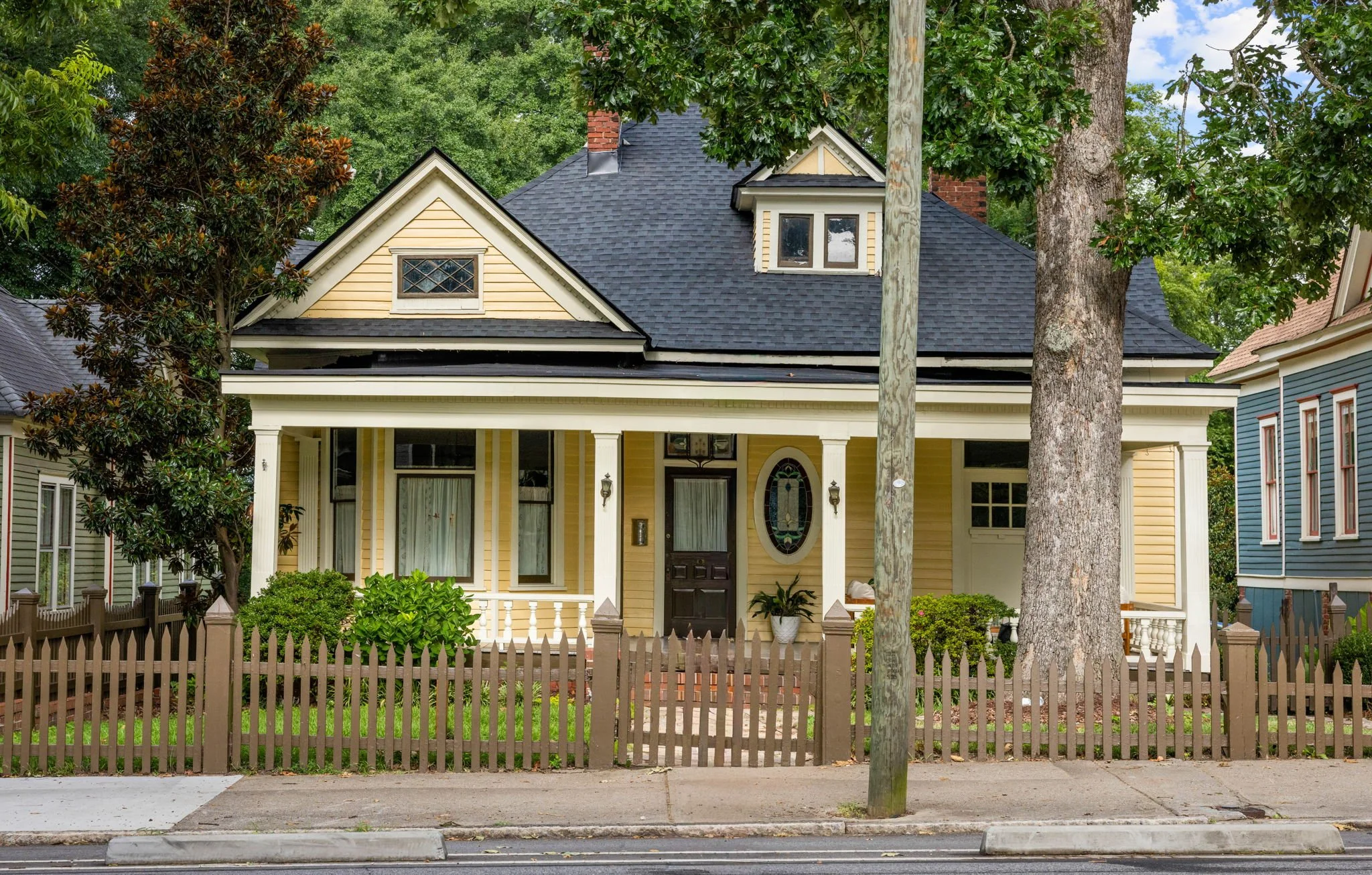
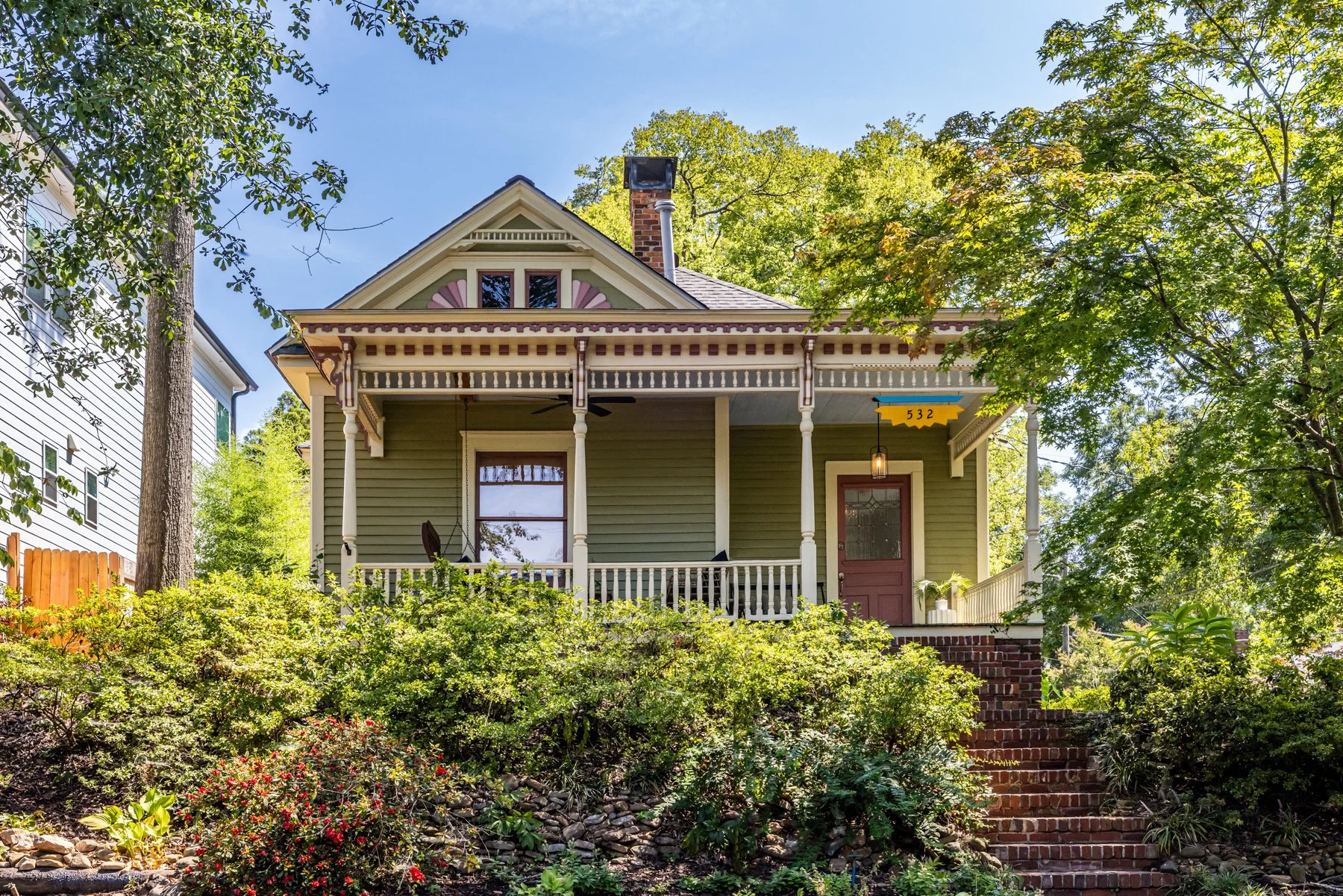
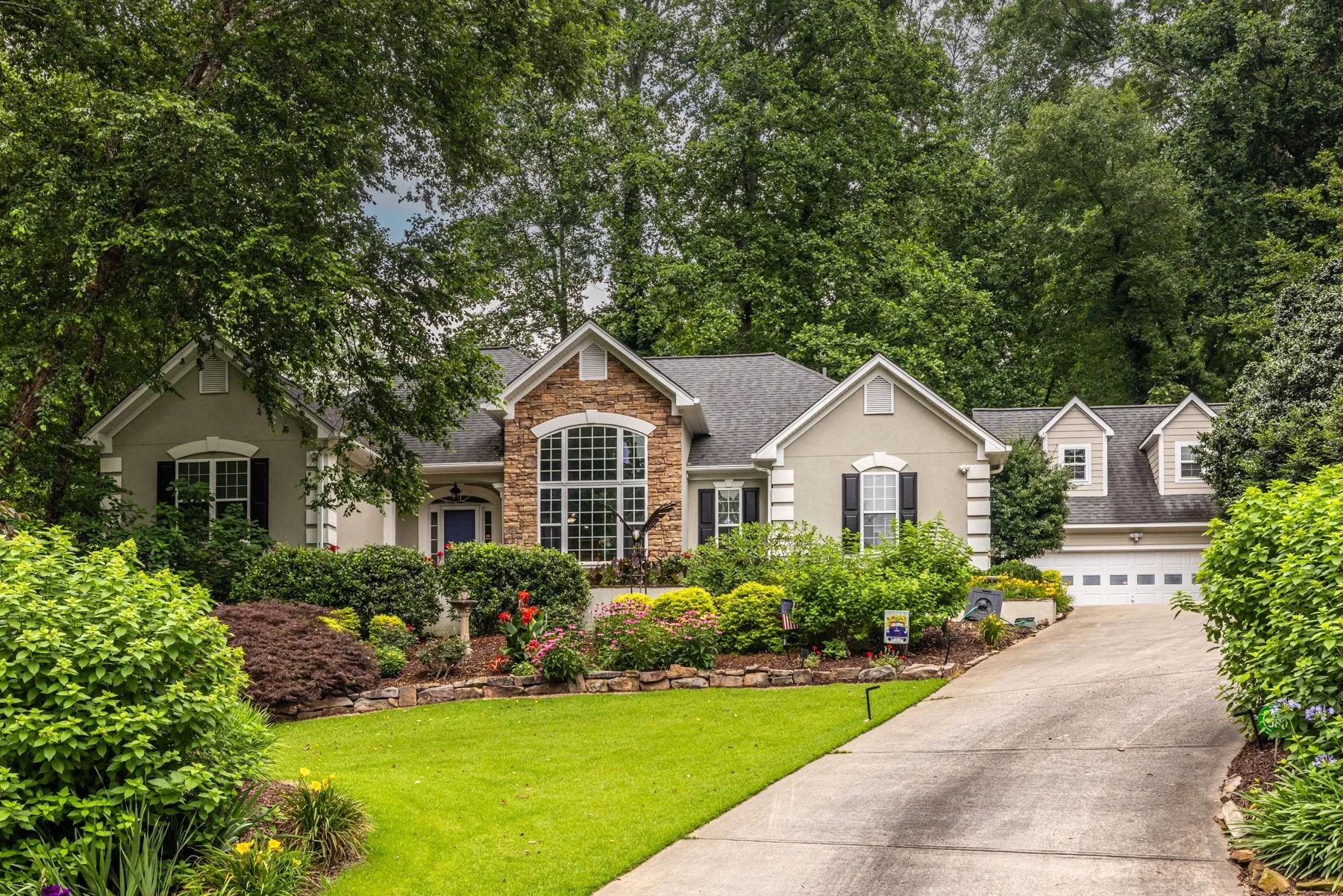
Featured Listings
Adams Realtors Buyer’s Guide
Getting Started
Make sure you are ready — the process can be fun and your agent can help you learn the ins and outs without much stress for a smooth transaction.
Financially and emotionally. Financially, we will discuss working with a lender in the next step. Emotionally, this is one of the biggest financial decisions one can make, and you should make sure buying a house at this time lines up with your other financial goals.
Finances
Check your credit score — FHA loans require a minimum of a 500 credit score while conventional loans require a minimum of 620 credit score. A higher credit score typically results in a lower interest rate. If your score is below these numbers, it’s time to focus on increasing your credit score. A mortgage lender can help you to come up with a plan to grow your credit score.
Down Payment
Most loan products require a minimum of 20% down to avoid PMI (Private Mortgage Insurance). There are many options for a smaller downpayment.
Types of Mortgages
Conventional Loans
Mortgages that are not guaranteed by the federal government. They offer low minimum down payments, but have more stringent qualifications.
FHA Loans
Mortgages backed by the Federal Housing Administration. These are generally easier to qualify for than conventional loans, but have stricter requirements for mortgage insurance.
VA Loans
Loans from the Department of Veterans Affairs are for active or former service members and eligible spouses. VA purchase loans allow you to make no down payment.
Jumbo Loans
Mortgages for houses that are more expensive than standard lending limits. These usually require larger down payments and higher credit scores.
Renovation Loans
Let you wrap the costs of home improvements into the total amount of the home loan.
Other Expenses
Other expenses that may occur can be Earnest Money, inspection costs, a survey and closing costs.
1
Get pre-approved for a mortgage with a Solid Lender
Just as important as your Realtor. Your Realtor can help with referrals to get you started. It’s great working with a lender your Realtor has established relationships with for problem solving in competitive markets. A mortgage pre-approval will give you accurate numbers as the loan officer has pulled your credit and determined how much you can borrow. There are many lender options such as local lenders and banks. Remember what you are approved for isn’t always where your monthly payment comfort level is, so make sure you have a good understanding of that prior to starting your house search.
2
Start looking at houses
You have done the hard work — let’s find you a home! When we find “the one” we will submit an offer. When you get your offer accepted, you will be Under Contract.
3
Under Contract - Schedule an Inspection
A home inspection will point out issues that could surface down the road. Inspections cover all aspects of the house and its systems from the foundation to roof. If you are concerned about mold or radon, this can be an add-on to your home inspection. Keep in mind it’s an expense you pay for prior to closing on the home, but an important part of getting to know your house.
4
Appraisal
Your lender will require you to order an appraisal. They order this for you, but this is an expense you pay for prior to close when they order it. An appraisal compares homes that have sold recently to your home and determine market value.
5
Shop for Homeowners Insurance
Time to shop for homeowner’s insurance to provide to your lender for closing. It’s required by all lenders and you can get referrals from them or your Realtor. Homeowner’s insurance protects you in case of certain emergencies that happen to the house — not everything — so make sure to understand what it protects when you purchase. It’s paid for at the closing table.
6
Closing on Your New Home
Your lender will send out a closing disclosure 3 days prior to closing. Compare this to your loan estimate to see if any closing costs have changed. The closing disclosure will give you an exact amount of your closing funds to wire to your closing attorney. Only accept wiring instructions from a secure portal set up by your closing attorney — NEVER respond to wiring instructions by e-mail.
This is the last step! From here, schedule your move and make sure to schedule all utilities. Time to go to the closing table and sign for your new home. Some lenders have you sign docs ahead of time and just a few at closing, but they will let you know. Congratulations and enjoy your new home!
Listings By Neighborhood




Moving to Atlanta?
You’ve come to the right place. Let’s find the neighborhood that suits you! We’re happy to schedule virtual consultations and home tours at your convenience. Moving can be exciting when you know what house you’ll be calling home.
Seniors
We're proud to help seniors find a place for their needs. There are many single-floor living options in our area which suit the needs of Seniors. We know transitioning to a new residence and environment can be challenging, but we are here every step of the way - from preparing the home for sale, to finding the next home.
Pre-Approval
A pre-approval letter is one of the most crucial items needed to purchase a house! It shows you’re a serious buyer and can afford the home you are submitting an offer for.
Once you connect with our team, we can recommend local lenders who have proven affordable, reliable and trustworthy.
Escrow and Closing Costs
When you purchase a home, there will be closing costs which include fees for processing, title insurance, closing, title search, mortgage taxes, appraisals, and more. Within closing costs, there are third-party fees that come from companies that don’t work for mortgage lenders yet provide essential services like escrow.
Escrow is when an impartial third party holds on to funds and distributes them accordingly to process a transaction. This fund, also known as earnest money, is a form of good faith that the buyer will hold for the seller if they breech the contract. Please consult an attorney if you have a question.
Home Warranty
Buying a home is one of the biggest financial investments you will ever make. A home warranty protects you, the buyer, (for the first year) from damages to certain mechanical and appliance systems in the home. We know what to look out for and how to negotiate this into the deal for our buyers.
Market Insights from Bill Adams