August Intown Atlanta Market Report
By Bill Adams, President
The Federal Reserve Open Market Committee (FOMC) meets eight times a year to set the Federal Funds Rate. These meetings are covered widely by the press. The United States Treasury sells Notes of various lengths of time every business day to much less coverage in the media. This month we are going to discuss how the Fed and the Treasury Department’s decisions affect consumer loan products. First, let’s review the numbers for the Atlanta Intown Market this month.
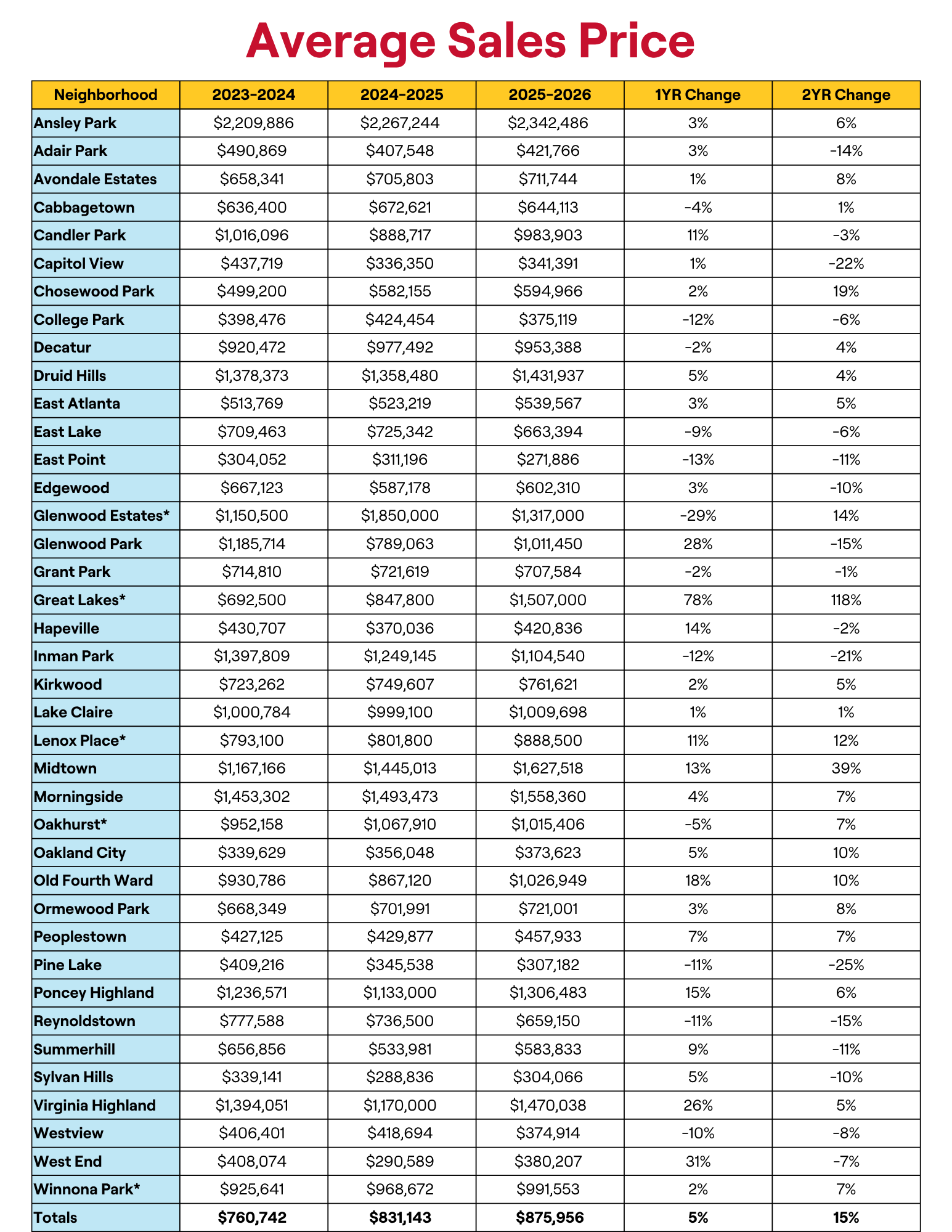
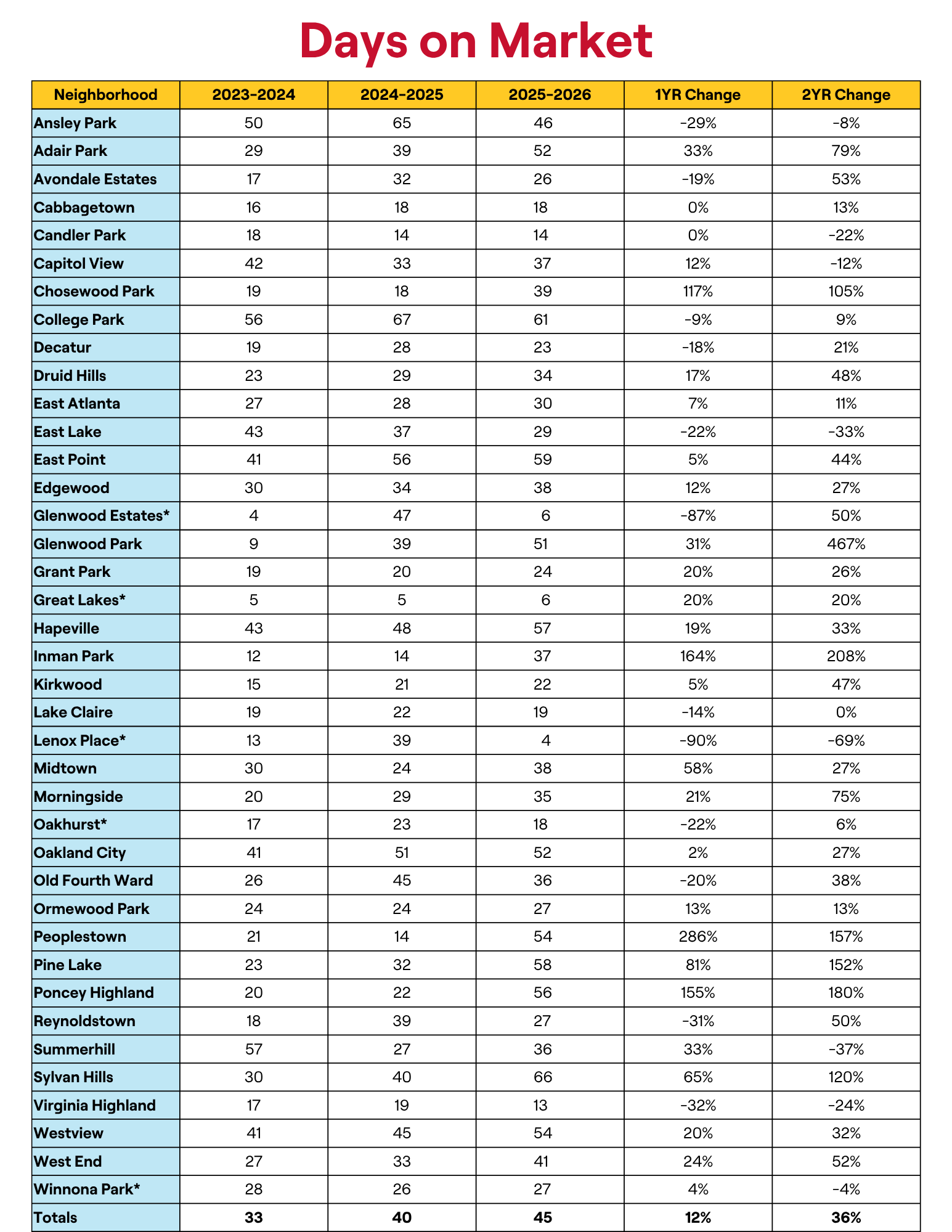
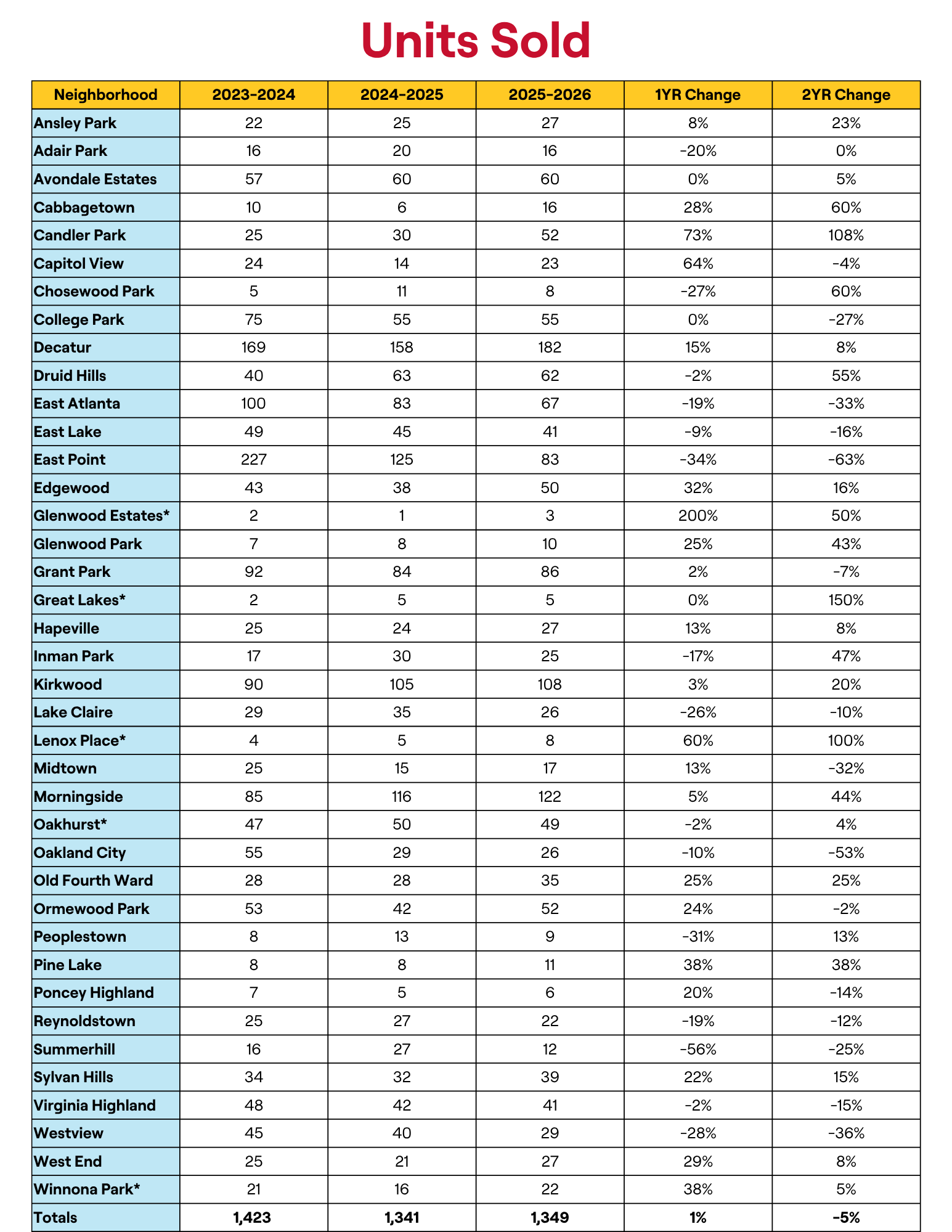
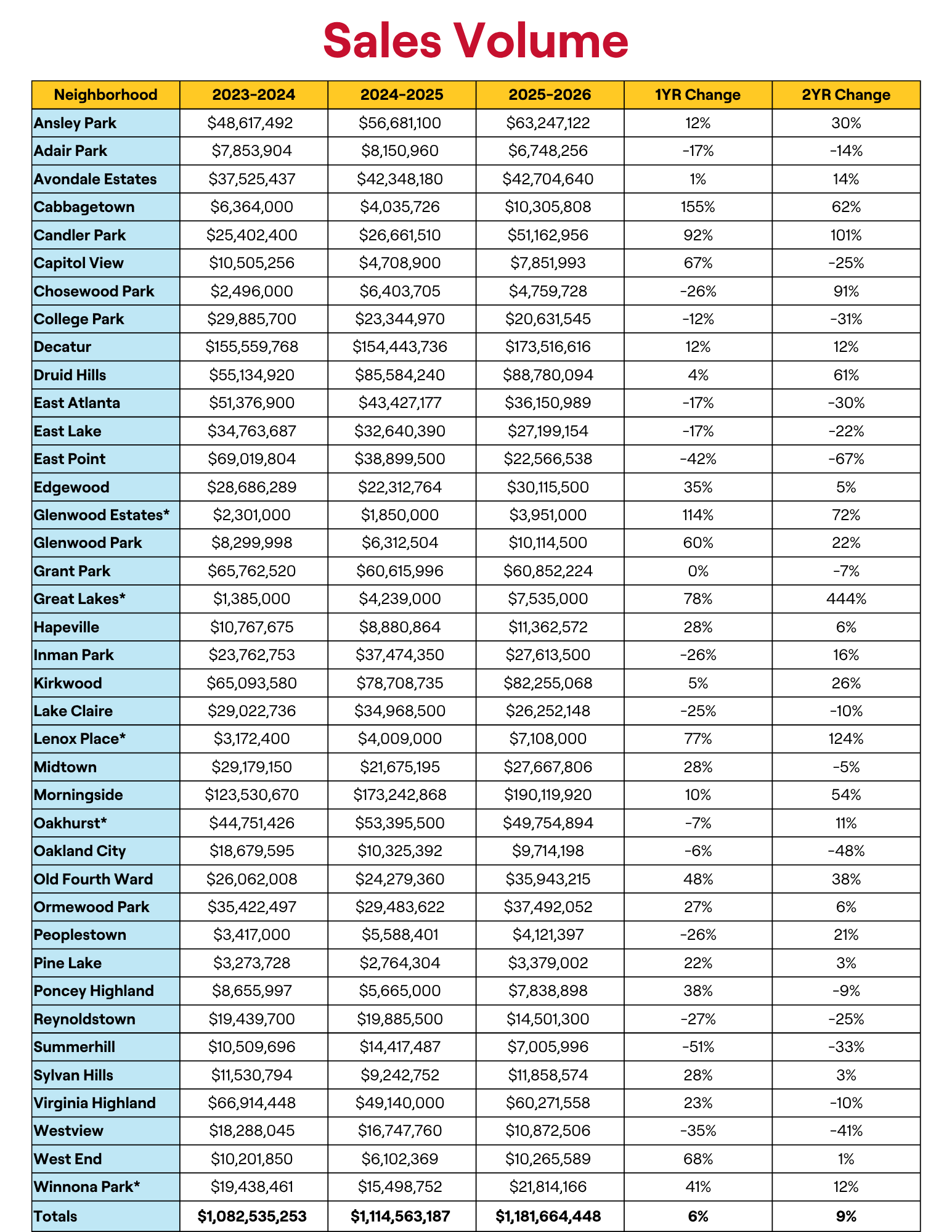
In our August 2026 report the Average Sales Price (ASP) for the overall market is $853,588, an increase of 7% over the last year and a two-year increase of 14%. The Average Number of Days on the Market continues to grow and is now at 46 days, a year over year increase of 10% and a 37% increase over the last 24 months. The Number of Units Sold over the last year is 1,356, a 5% decrease in the last year and a 12% decrease in the last 24 months. In summary, prices are still going up, homes are taking longer to sell, and fewer homes are selling. In my opinion, it is still sort of a Seller’s market. Now let’s look at how the Federal Reserve and the Treasury Department influence loan rates, especially home mortgage interest rates.
One of the most common questions we hear from home buyers: “The Fed cut rates — why didn’t mortgage rates go down?” Here’s the short answer.
The Federal Funds Rate
● Set by the Federal Reserve (FOMC), which meets about eight times a year.
● The overnight rate banks charge each other for short-term lending.
● Directly affects credit cards, Home Equity Loans, auto loans, personal loans, business lines of credit, and adjustable-rate products.
● A policy tool — raised to cool inflation, lowered to stimulate growth.
The 10-Year Treasury Yield
● Not set by the Fed — determined by the bond market based on investor demand.
● Reflects investor expectations for inflation, growth, and risk over a 10-year horizon.
● Directly affects: 30-year fixed mortgage rates, long-term commercial loans, and refinances.
● Mortgage rates typically run from 1.5% to 2.5% above the 10-year yield.
Why It Matters for You
The Fed doesn’t set mortgage rates. The Fed can cut the Fed Funds Rate and mortgage rates can still rise — if bond investors are worried about inflation or deficit spending pushing the 10-year yield up. Conversely, mortgage rates can drop in anticipation of a Fed move, even before the Fed acts, because bond markets are forward-looking.
“The Fed Funds Rate is about the cost of money today. The 10-Year Treasury is about what investors think money will be worth over the next decade — and that’s what drives your mortgage rate.”
So far in 2026, we have continued inflation, continued deficit spending, the national debt in the United States is approaching $40 Trillion, and other geopolitical moves that have caused investors to demand a higher return on the 10-Year Treasury Notes and thus, we have higher home mortgage interest rates.